

Shop
Climbing, Hiking & Outdoor Travel
Loading filters...
Nothing matches those filters.
-
Black Diamond Momentum Men's Harness
Regular price Rs. 7,920.00Regular price -
Black Diamond Momentum Kids Harness
Regular price Rs. 9,240.00Regular price -
Black Diamond Wiz Kid Headlamp
Regular price Rs. 4,290.00Regular price -
Black Diamond Rocklock Magnetron Carabiner - Black
Regular price Rs. 6,600.00Regular price -
Petzl Picchu Kids Climbing Helmet
Regular price Rs. 7,920.00Regular price -
Petzl AM'D Triact Lock Carabiner
Regular price Rs. 3,550.00Regular price -
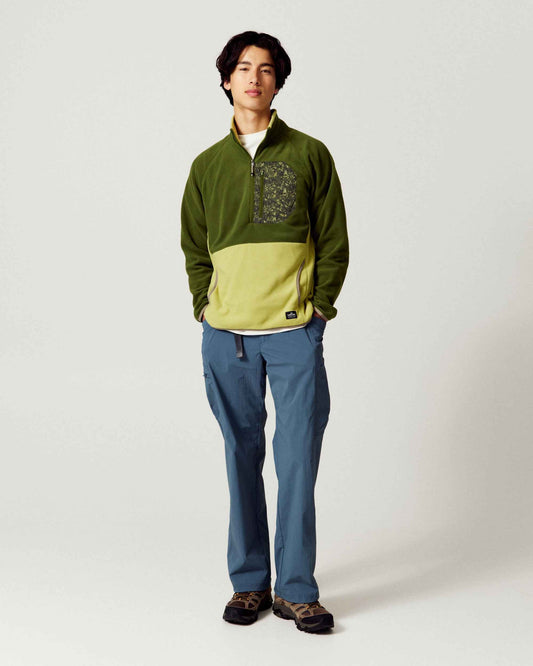
Kathmandu Men's Trailhead Fleece Heritage 1/4 Zip Pullover - Spruce/Pure Navy
Regular price Rs. 7,920.00Regular price -
Kathmandu Women's Trailhead Fleece Vest
Regular price Rs. 6,600.00Regular price -
Kathmandu Men's Trailhead Lightweight Fleece Pullover
Regular price Rs. 7,920.00Regular price -
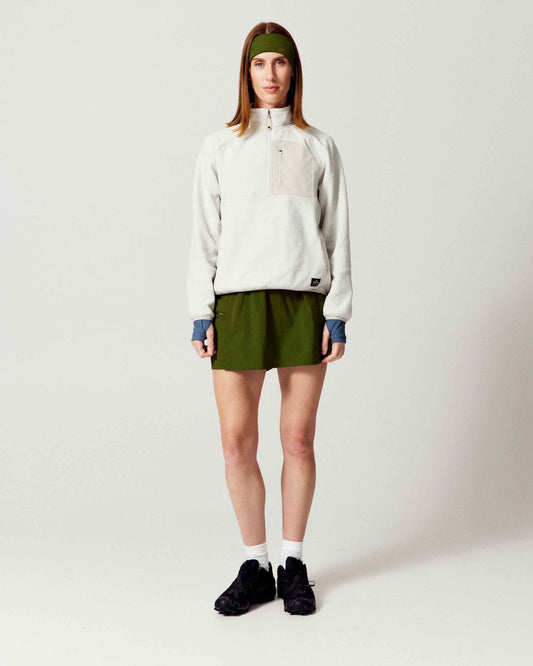
Kathmandu Women's Trailhead Fleece Lightweight Pullover
Regular price Rs. 7,920.00Regular price -
Kathmandu Women's Trailhead Fleece LT Pullover
Regular price Rs. 7,920.00Regular price -
Kathmandu Men's Trailhead Fleece Heritage 1/4 Zip Pullover - Canvas/Bark
Regular price Rs. 7,920.00Regular price -
Kathmandu Women's Anytime Fleece Hooded Jacket
Regular price Rs. 7,590.00Regular price






How to choose climbing, hiking and outdoor gear
Match your gear to the terrain and conditions you expect. For hiking, comfortable footwear and a well-fitting backpack matter most. Choose a pack volume that suits your trip length, with day packs for short walks and larger packs for overnight trips, and check that the back length and hip belt fit your body. Footwear should offer grip, support and enough room for your toes on descents.
For climbing, safety equipment should be chosen with care. Harnesses, helmets, carabiners and ropes should meet the relevant safety standards and be sized or rated for the way you will use them. Check each product page for ratings and use gear only for its intended purpose. Chalk, shoes and rope bags improve comfort and grip, but they never replace proper training and supervision.
Think about layering and weather. Lightweight base layers, insulating mid layers and waterproof shells allow you to adapt as conditions change. Add headlamps, water bottles, navigation tools and a first aid kit to your pack, and replace worn gear before it fails. If you are new to climbing or mountain travel, ask experienced people or qualified instructors for advice before you buy specialised equipment.
Climbing, Hiking & Outdoor Travel FAQ
What size backpack do I need?
Day walks usually need a smaller pack, while overnight trips need more space. Check the capacity and back length on each product page.
How should climbing shoes fit?
Snug without being painful. The toes should be gently flexed, and the heel should be secure.
Should I buy used climbing equipment?
Safety equipment should be inspected carefully and bought only from sources you trust. New gear has a known history and a clear safety rating.
What layers should I wear for hiking?
Use a moisture-wicking base layer, an insulating mid layer and a waterproof shell so you can adjust as conditions change.
Popular searches
Pick up where you left off